Littoral

Writings from the shore between tides, ni tout à fait la terre ni tout à fait l'eau.

“The thing is that I think Blacks in the Diaspora carry the Door of No Return in our senses. It is a passport which, after boarding the plane, we are unable to make disappear by tearing it up and throwing it in the toilet. We arrive with its coat of arms, its love knot, its streamers, its bugle, its emblem attesting to our impossible origins. This passport is from the territory of the Door. The territory is vast, its nature shiftable. We are always in the middle of the journey.” (pp. 48-49)

— Dionne Brand, A Map to the Door of No Return, pp. 48-49


“To live at the Door of No Return is to live self-consciously. To be always aware of your presence as a presence outside of yourself. And to have ‘others’ constantly remark on your presence as outside of itself. If to think is to exist, then we exist doubly. An ordinary conversation is never an ordinary conversation. One cannot say the simplest thing without doubling or being doubled for the image that emerged from the doorway.”

— Dionne Brand, A Map to the Door of No Return, pp. 49-50

here is the air holding its throat in the doorway light folds against my cheek like a quiet instruction

somewhere a train exhales iron into the morning

somewhere the sea keeps a ledger i'm not allowed to read

i've lived inside ceilings that vibrate vents counting the room in mechanical breaths fluorescent bones buzzing their soft warning

i learned which corners let the body loosen which floors remember weight without complaint

i say the word home and the walls listen for papers

silence answers in triplicate

i sign my name the ink hesitates

once twice i sign again

the signature returns unfamiliar / the paper refuses the name

i carry a map made of salt and forgetting— it curls when handled edges dissolve on the tongue routes appear when i walk them barefoot and vanish when i turn

some rooms smell of rain and iron some keep their windows turned inward

i practice an ordinary face i practice the art of leaving slowly

a moth lands on my wrist i let it rest there

even light has teeth

i've lived inside many winds

under the concrete circuits singing

the radio in the air replies with snow / i try again / it hisses my name back wrong

i listen i pack i stay i leave

the body writes its own grammar forgets mid-sentence

breath interrupts and the page agrees

at night a corridor opens behind my ribs keys sleep in a bowl of water the suitcase won't close all the way

i press the lid down the hinges change their mind my name folded at the bottom like a shirt i no longer wear i remember someone once folded my collar like that

if rest exists it may be a hum with no owner a room that smells of rain after metal hands that do not count what they touch time without a checklist no barcode for longing no passport for breath

the air doesn't fall— it listens back
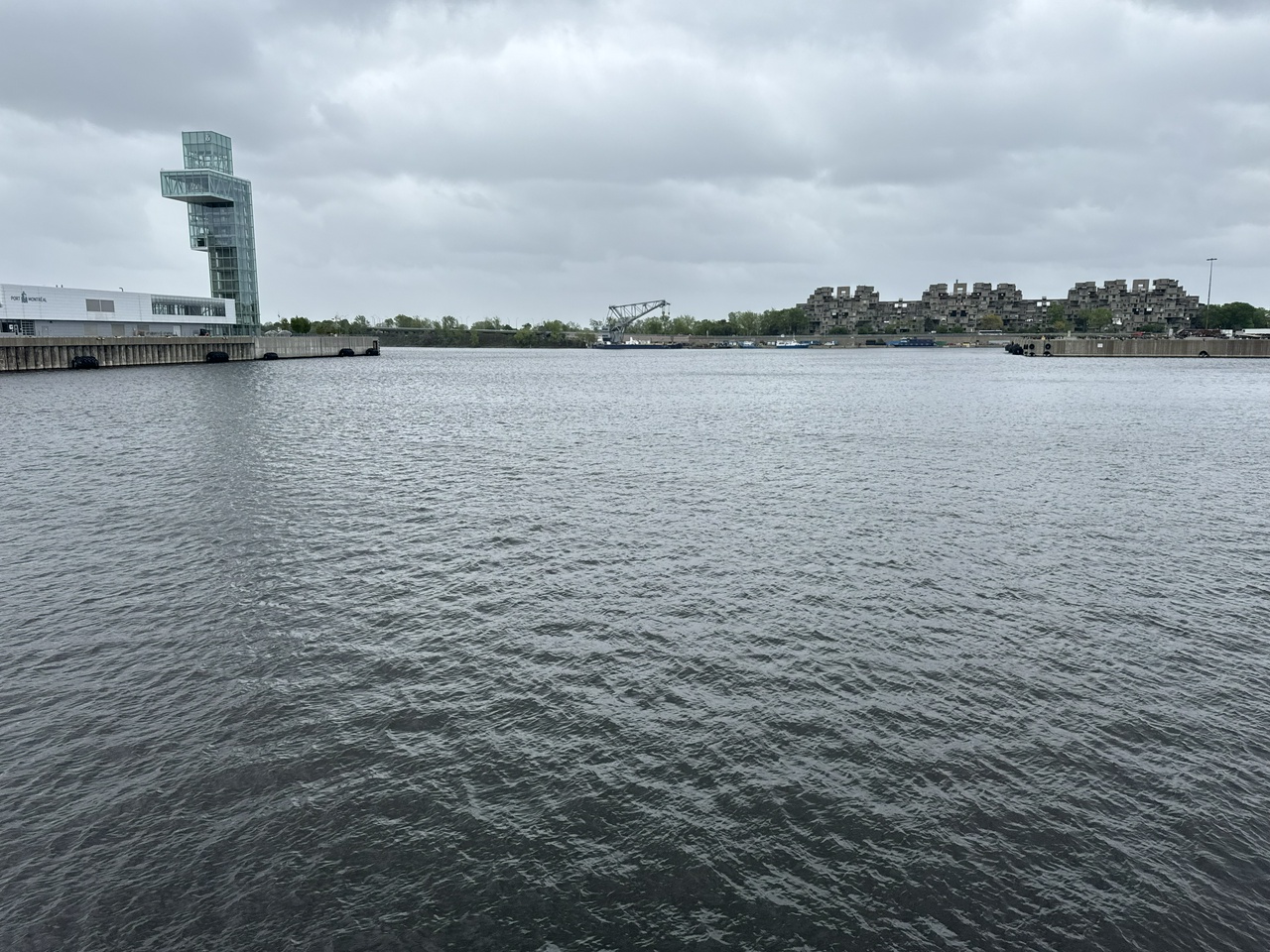
glace sur le trottoir

le remorqueur   daniel mcallister   attaché au quai

derrière   les vieux silos

le fleuve s’ouvre   vers l’aval

je reste là   un moment   à penser

que l’eau   finit toujours   par partir

Archival records document the extraction, preservation, circulation, and material use of Black flesh within the operations of slavery and colonial regimes. Medical harvesting, the movement of skulls and bones, the retention of severed limbs as curiosities, the transformation of teeth and hair into usable materials, and the verified binding of human skin into objects illustrate a domain in which Black flesh functioned as materially available matter. These practices occurred without initiating legal proceedings, moral disquiet, or gestures toward repair, and they were enacted within scientific, domestic, and institutional settings as routine extensions of proprietary use. Black death did not necessitate ceremonial mourning or cultural restoration, and no ontological transformation was required for Black bodies to become usable. The continuous accessibility of Black flesh, in both biological life and physical death, affirms the claim that Blackness occupies a position exterior to the category of the Human. Within this structure, violence does not presuppose the negation of personhood, and material use does not signify the loss of human status, because neither recognition nor protection were present to be removed. This condition delineates a modality in which injury is not measured against human suffering and use is not constrained by the norms that govern the treatment of remains.

a worker stepped outside and the building gave him up for the length of a cigarette.

smoke lifted, thin enough to pass inspection.

i sat across the way, waiting, where nothing was required of me.

the door closed and kept its number.

someone walked through the place the smoke marked.

the street resumed without remembering us.

i have never known love that didn’t leave a bruise somewhere, even if it was shaped like a palm pressed gently against the small of my back, reminding me to keep walking when the street went quiet and my name felt like a threat.

some nights, i mistake survival for a lover who texts back late but always says the right thing. some days, i wish i could forget how good it feels to be wanted for the sound of my grief.

my body has learned to breathe through closed doors, has called it kinship when someone remembers my name after i flinch.

let me be honest: i have built altars from the broken. lit candles where silence should have meant no. kissed ghosts goodbye and still invited them back in,

because sometimes i need a witness even if they can’t hold me.

don’t call me resilient. call me the scream that stayed in my throat until it fermented into a poem. call me the fire alarm no one pulled. call me the boy who kept showing up to the wrong kind of church, hoping someone might bless the parts of him still covered in ash.

i am not healing. i am making room for the possibility that i might one day not have to.

When the train curved out of Jasper and the last trace of town dissolved into trees, the air shifted. The mountains widened. The sky opened. Burned slopes unfurled beside the train, charred trunks rising with a patient stillness. The valley floor stretched in long, unbroken lines, marked by fire and by gentler seasons. Light moved across the land in a slow, steady sweep.

My body answered.

There was a small moment, easy to miss, when the hum beneath the floorboards matched the rhythm of my breath. The seat vibrated lightly under my palms, and the world outside the window moved with the same calm I felt inside my chest. Not metaphorically. Physically. My nervous system eased into the pace of the land passing by.

I leaned into the window, letting the cold glass hold the weight of my forehead. A thin smear of dust along the frame caught the fading light. Outside, nothing rushed. The view revealed what was there: blackened trunks, ashen soil, new shoots pushing through what remained. A record of burning and continuing.

Something opened in me.

The land offered only its presence. No message. No direction. Just itself. Something inside loosened, some long-held habit of arranging meaning or shaping myself around what I encountered. Here, in a landscape carrying its own history, witnessing came easily.

A faint ache surfaced. It moved with the slow rhythm of the train, leaning toward relief. The relief of existing without tightening, without shaping myself for anything outside me. It brought memories of times when breath caught high in my chest, when I tried to fold myself into places that offered no room. The grief in that memory rose and thinned without overtaking. I looked again at the dark forms of trees that had been through fire and continued to stand.

As the land shifted, snow-dusted slopes giving way to river flats catching the last light, my body's signals became unmistakable. They pointed not toward interpretation but toward a direction I could feel. With nothing pressing against them, they held their own certainty.

Dusk pooled in the valley. The burned trunks blurred into silhouettes.

The longing inside me stretched out without urgency. It gestured toward spaces shaped by sincerity, toward a pace of living with room for breath. When the window darkened and my reflection merged with the last lines of the valley, I saw my face softened by the dim interior light.

The land outside held its shape.

i moved how the land moved low light over burnt slopes a single trunk split open but still standing

the ocean didn’t ask for me but it didn’t leave the train curved and my breath caught up

my chest found space the seat held my weight the hum matched the rhythm i didn’t know i was waiting for

i followed what stayed what didn’t flinch what made room without asking me to fold

ease came in through the ribs like memory like a name i used to know

not escape not softness just the truth of a body finally unbraced

i met myself in the quiet before the next turn

i came west to ask if this ocean could hold me

i sat still long enough to listen

it didn’t lie— but it didn’t reach me

no pull in the sternum no names in the salt

not the same ghosts not the same grief

this water has memory but not of me

still, i bowed

not every wave needs to carry me back

Enter your email to subscribe to updates.